Buy rxh.eu ?
We are moving the project
rxh.eu .
Are you interested in purchasing the domain
rxh.eu ?
domain@kv-gmbh.de · 0541-91531010
Buy rxh.eu ?
Which doctor is allowed to remove stitches?
Typically, a doctor or a nurse practitioner is allowed to remove stitches. This is because they have the necessary training and expertise to safely and effectively remove the stitches without causing any harm to the patient. It is important to follow the healthcare provider's instructions and schedule a follow-up appointment for the removal of stitches to ensure proper healing. **
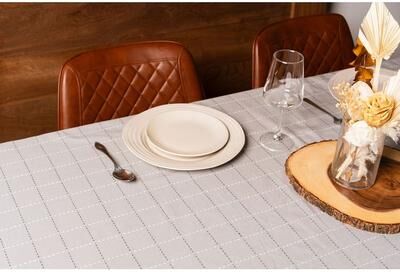
Are these stitches?
Yes, the image shows a close-up of stitches on a piece of fabric. The stitches appear to be evenly spaced and are holding the fabric together. The thread used for the stitches is visible, indicating that they are indeed stitches. **


Similar search terms for Stitches
Top-Angebote
Products related to Stitches:
-
Essie Color Nail Polish 13,5mL 24 In StitchesA skin-care product. It offers flawless coverage with excellent durability. Apply between two and three layers for a more uniform result. Directions supplied for this product state: Apply between two and three layers for a more uniform result..7,57 £*Shipping: 4,07 £Secure redirect to the provider

-
Are those stitches?
Yes, those are stitches. Stitches are used to close a wound or incision and promote healing. They are typically made with a special thread and are placed by a healthcare professional. If you have stitches, it's important to follow your healthcare provider's instructions for care and to keep the area clean and protected. **
-
How do I decrease on both sides every 2nd row 1x2 stitches, 2x1 stitches, and every 4th row 2x1 stitches?
To decrease on both sides every 2nd row, 1x2 stitches, you would work the decrease at the beginning and end of the row on every other row. For 2x1 stitches, you would decrease 2 stitches at once at the beginning and end of the row on the following two rows. Finally, for decreasing every 4th row 2x1 stitches, you would work the decrease at the beginning and end of the row on every fourth row, decreasing 1 stitch at a time. This will create a gradual decrease in your knitting project. **
-
Are the stitches still normal or should I go to the doctor?
If you are unsure about the appearance of your stitches or if you are experiencing any unusual symptoms such as increased pain, redness, swelling, or discharge from the wound, it is best to consult with a doctor. It is important to monitor the healing process closely and seek medical attention if you have any concerns about the stitches. A healthcare professional will be able to assess the wound and provide appropriate treatment if necessary. **
-
Can I get allergy medication without a prescription at the pharmacy?
Yes, many allergy medications are available over-the-counter at pharmacies, meaning you can purchase them without a prescription. These medications typically include antihistamines, decongestants, and nasal sprays. However, it's important to consult with a pharmacist or healthcare professional before taking any new medication, especially if you have existing health conditions or are taking other medications. **

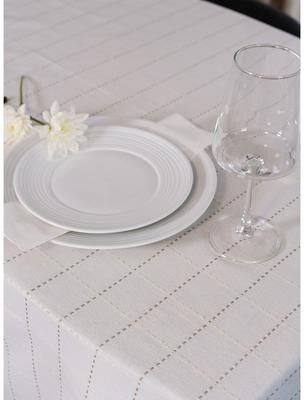
How can you lock stitches?
You can lock stitches by backstitching at the beginning and end of your sewing line. To backstitch, simply sew a few stitches forward, then reverse and sew over the same stitches in the opposite direction. This creates a secure lock at the start and end of your stitching, preventing the thread from unraveling. Another method is to tie a knot at the end of your stitching by hand, using the needle and thread to create a secure knot. **
How do I decrease on both sides every 2nd row 1x2 stitches, 2x1 stitches, and additionally on every 4th row 2x1 stitches?
To decrease on both sides every 2nd row, you would work the decreases at the beginning and end of the row. For decreasing 1x2 stitches, you would work a double decrease (such as slip 1, knit 2 together, pass slipped stitch over) once on each side. For decreasing 2x1 stitches, you would work a single decrease (such as knit 2 together) twice on each side. Additionally, on every 4th row, you would work the 2x1 decreases as instructed. This will create a gradual decrease in your knitting project. **
Top-Angebote
Products related to Stitches:
-
Various Publishers NHS Doctor Memoirs 4 Books Collection Set - Your Life In My Hands, In Stitches, Trust Me I'm a Junior Doctor, The Prison Doctor - PaperbackThis four-book paperback collection brings together some of the most talked-about NHS memoirs of recent years. From busy hospital wards to a high-security prison, four medical professionals share the highs, lows and heartbreak of working on the frontline of British healthcare. Written by Rachel Clarke, Nick Edwards, Max Pemberton and Dr Amanda Brown, it's a compelling read for anyone fascinated by real-life medicine and the people who keep the NHS running. The books in this set include 'Your Life In My Hands', which follows journalist-turned-doctor Rachel Clarke as she trains within the NHS against a backdrop of junior doctor strikes, offering a candid, moving account of life on the wards. Also included are 'In Stitches', 'Trust Me, I'm a Junior Doctor', and 'The Prison Doctor', each offering a unique perspective on the challenges and rewards of working in the NHS.22,99 £*Shipping: 2,99 £Secure redirect to the provider
-
Essie Color Nail Polish 13,5mL 24 In StitchesA skin-care product. It offers flawless coverage with excellent durability. Apply between two and three layers for a more uniform result. Directions supplied for this product state: Apply between two and three layers for a more uniform result..7,57 £*Shipping: 4,07 £Secure redirect to the provider
-
Which doctor is allowed to remove stitches?
Typically, a doctor or a nurse practitioner is allowed to remove stitches. This is because they have the necessary training and expertise to safely and effectively remove the stitches without causing any harm to the patient. It is important to follow the healthcare provider's instructions and schedule a follow-up appointment for the removal of stitches to ensure proper healing. **
-
Are these stitches?
Yes, the image shows a close-up of stitches on a piece of fabric. The stitches appear to be evenly spaced and are holding the fabric together. The thread used for the stitches is visible, indicating that they are indeed stitches. **
-
Are those stitches?
Yes, those are stitches. Stitches are used to close a wound or incision and promote healing. They are typically made with a special thread and are placed by a healthcare professional. If you have stitches, it's important to follow your healthcare provider's instructions for care and to keep the area clean and protected. **
-
How do I decrease on both sides every 2nd row 1x2 stitches, 2x1 stitches, and every 4th row 2x1 stitches?
To decrease on both sides every 2nd row, 1x2 stitches, you would work the decrease at the beginning and end of the row on every other row. For 2x1 stitches, you would decrease 2 stitches at once at the beginning and end of the row on the following two rows. Finally, for decreasing every 4th row 2x1 stitches, you would work the decrease at the beginning and end of the row on every fourth row, decreasing 1 stitch at a time. This will create a gradual decrease in your knitting project. **
Similar search terms for Stitches
-
Are the stitches still normal or should I go to the doctor?
If you are unsure about the appearance of your stitches or if you are experiencing any unusual symptoms such as increased pain, redness, swelling, or discharge from the wound, it is best to consult with a doctor. It is important to monitor the healing process closely and seek medical attention if you have any concerns about the stitches. A healthcare professional will be able to assess the wound and provide appropriate treatment if necessary. **
-
Can I get allergy medication without a prescription at the pharmacy?
Yes, many allergy medications are available over-the-counter at pharmacies, meaning you can purchase them without a prescription. These medications typically include antihistamines, decongestants, and nasal sprays. However, it's important to consult with a pharmacist or healthcare professional before taking any new medication, especially if you have existing health conditions or are taking other medications. **
-
How can you lock stitches?
You can lock stitches by backstitching at the beginning and end of your sewing line. To backstitch, simply sew a few stitches forward, then reverse and sew over the same stitches in the opposite direction. This creates a secure lock at the start and end of your stitching, preventing the thread from unraveling. Another method is to tie a knot at the end of your stitching by hand, using the needle and thread to create a secure knot. **
-
How do I decrease on both sides every 2nd row 1x2 stitches, 2x1 stitches, and additionally on every 4th row 2x1 stitches?
To decrease on both sides every 2nd row, you would work the decreases at the beginning and end of the row. For decreasing 1x2 stitches, you would work a double decrease (such as slip 1, knit 2 together, pass slipped stitch over) once on each side. For decreasing 2x1 stitches, you would work a single decrease (such as knit 2 together) twice on each side. Additionally, on every 4th row, you would work the 2x1 decreases as instructed. This will create a gradual decrease in your knitting project. **
* All prices are inclusive of VAT and, if applicable, plus shipping costs. The offer information is based on the details provided by the respective shop and is updated through automated processes. Real-time updates do not occur, so deviations can occur in individual cases. ** Note: Parts of this content were created by AI.